
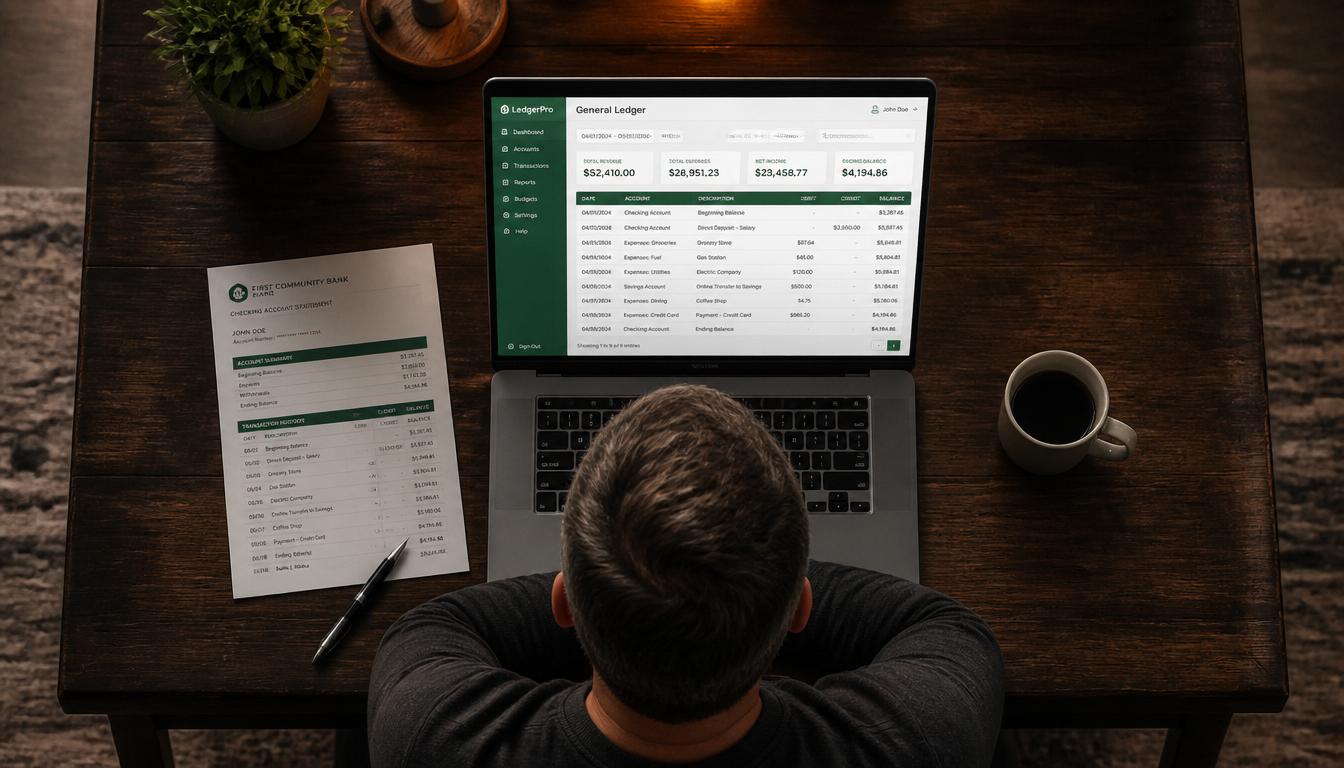

What Is a Community Association Ledger?
Understanding exactly where a payment went often starts with one specific document. A community association ledger tracks every transaction tied to an owner’s account in detail. Furthermore, that single record answers most balance questions without a single phone call.
Florida statutes require associations to maintain accurate financial records for every owner. Therefore, the ledger serves as the practical, everyday version of that legal requirement. Accuracy here protects both the owner and the association.
What Is a Community Association Ledger
Every owner account includes a running record of financial activity over time entirely. A community association ledger lists payments, charges, and adjustments in chronological order each month. Additionally, that record updates automatically the moment a new transaction actually posts to it. Owners see exactly how their balance changed and precisely why it changed too. Consequently, no mystery number ever appears without a clear, documented explanation behind it. The ledger functions as the financial story of a single account entirely. Clarity replaces guesswork the moment an owner opens this particular record.
Information Found Within the Ledger
A complete ledger entry includes a date, description, and exact dollar amount involved. Regular dues, special assessments, and late fees all appear as distinct line items listed. Similarly, payments and credits show clearly alongside every corresponding charge they actually offset. Running balances update after each entry so owners always see their current standing clearly. Furthermore, reference numbers help owners match a ledger entry to a specific receipt kept. Consequently, every transaction traces back to a clear, identifiable source of record. Detail at this level prevents confusion about where money actually went entirely.
Why the Ledger Matters for Transparency
Transparency around money builds trust between owners and the associations that serve them daily. A visible ledger lets owners verify charges rather than simply taking them on faith alone. Similarly, disputes resolve faster when both parties can review identical, shared information together. Boards benefit from that same transparency when questions arise during a meeting occasionally. Furthermore, auditors and accountants rely on ledger accuracy during financial reviews conducted each year. Consequently, a clean ledger reflects a well managed community overall and consistently. Trust grows naturally once financial information stops feeling hidden from anyone.
How Owners Access Their Ledger Online
Owners access their community association ledger directly through the owner portal dashboard easily. A single click reveals the complete transaction history for that specific account instantly. Similarly, filters let owners narrow results by date range or transaction type quickly and easily. Downloading the ledger for personal records takes only a few seconds total. Furthermore, no phone call or email request ever becomes necessary for routine viewing anymore. Consequently, owners check their standing whenever convenient, day or night, from anywhere. Instant access replaces the old routine of waiting for a mailed statement.
Ledger vs Full Financial Statements
Not every financial document serves the exact same purpose within an association entirely. A ledger focuses narrowly on one individual owner’s specific account activity alone. Similarly, full financial statements cover the association’s overall budget, reserves, and expenses instead. Owners typically use the ledger for personal balance questions and payment history primarily. Furthermore, financial statements answer broader questions about community wide financial health overall. Consequently, both documents serve owners well, just for different practical purposes entirely. Understanding the distinction helps owners find the right information much faster.
Common Ledger Terms Every Owner Should Know
Several recurring terms appear consistently across nearly every ledger an owner reviews regularly. A debit typically represents a charge added to an owner’s account balance directly. Similarly, a credit represents a payment or adjustment reducing that same balance instead. Running balance refers to the total amount owed after each individual transaction posts. Furthermore, a reference number links a specific entry back to its original source document filed. Consequently, learning these few terms makes reading any ledger far easier overall. Familiarity turns an unfamiliar document into a genuinely useful, practical tool.
Steps for Reviewing Your Community Association Ledger
- Log into your owner portal using your secure credentials.
- Navigate to the ledger or payment history section.
- Review your running balance and recent transactions carefully.
- Apply filters by date range if searching for something specific.
- Compare entries against your personal bank or payment records.
- Download the ledger if you need it for personal records.
- Contact your association if you notice an unclear entry.
Key Takeaways
- A community association ledger tracks every transaction on an owner’s account.
- Each entry includes a date, description, amount, and running balance.
- Transparency around the ledger builds trust between owners and boards.
- Owners access their ledger anytime directly through the owner portal.
- Ledgers differ from full financial statements covering the whole association.
- Learning basic terms like debit and credit simplifies reading any ledger.
- Consequently, understanding the ledger helps owners stay informed and confident.
Community associations across Florida rely on accurate records to operate smoothly. Owners who understand their community association ledger navigate their account more confidently overall. Consequently, that understanding benefits both the individual owner and the association.
Moreover, a clear ledger reduces disputes before they ever have a chance to grow. Boards manage finances more effectively when owners can verify records independently. Therefore, everyone spends less time on confusion and more time on community life.
Above all, owners deserve a clear, honest view of every transaction on their account. Your account should make that view effortless to find. This is where that clarity begins.
The information provided on this website is NOT to be considered legal advice. Associations and unit owners should consult with legal counsel for the specific application of the Association’s governing documents and Florida Statutes.