

How Do You Join a Virtual HOA Meeting?
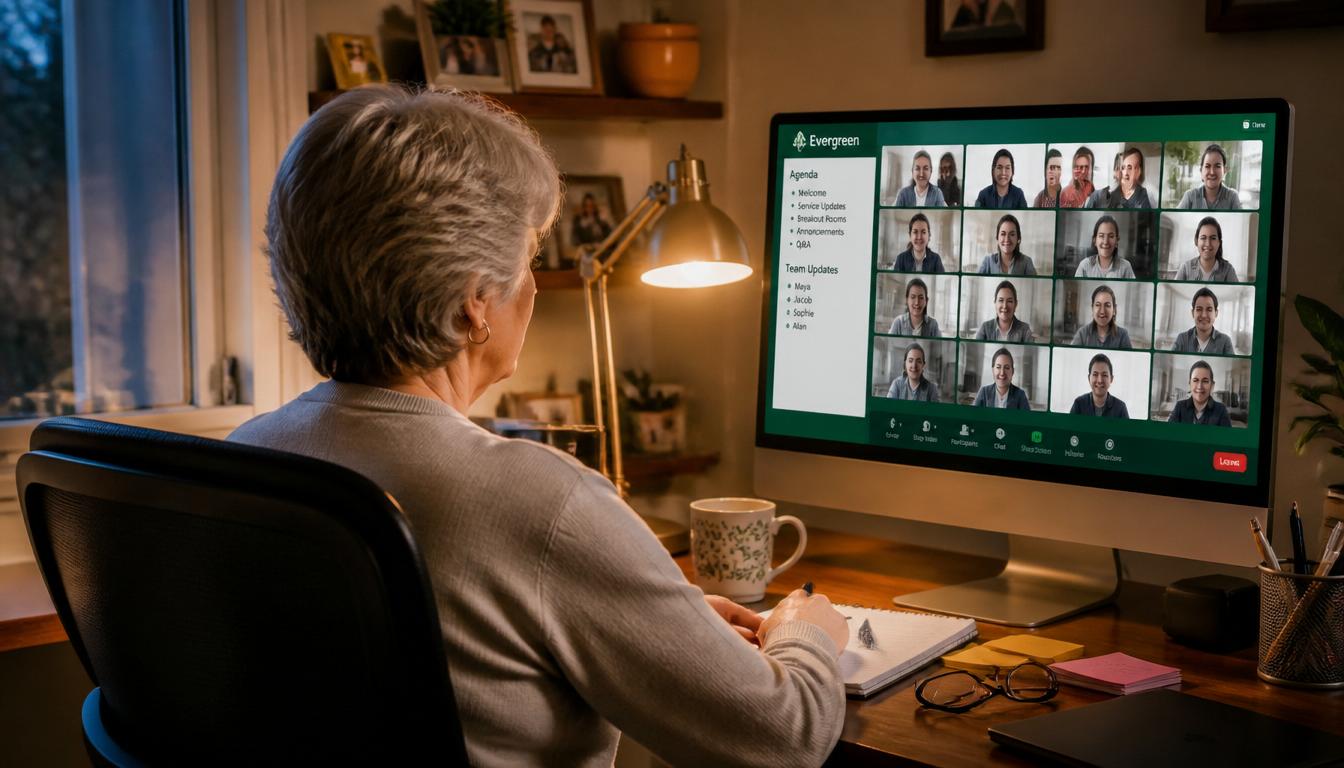
Attending a community meeting no longer requires leaving the house at all. Owners can join a virtual HOA meeting from a phone, tablet, or laptop instead. Furthermore, that shift opens governance to owners who once struggled to attend in person.
Florida statutes recognize virtual attendance as fully valid for most association meetings. Therefore, owners participate with the same standing as someone sitting in the room. Access no longer depends on a physical location.
How to Join a Virtual HOA Meeting
Every meeting notice includes a direct link for joining online through the portal system. Clicking to join a virtual HOA meeting takes just a single click from that notice. Additionally, no separate software download becomes necessary for most owners using a modern device. A stable internet connection and a modern browser handle everything required for access. Consequently, owners appear in the meeting within seconds of clicking the provided link. Audio and video permissions prompt automatically the first time an owner joins any meeting. The process feels simple even for owners who rarely use video calls at all.
What You Need Before the Meeting Starts
A few minutes of preparation prevents most technical frustration during a live meeting session. Testing a microphone and camera beforehand catches problems before they become genuinely disruptive. Similarly, joining a few minutes early allows time to resolve any lingering issue calmly. Owners should also review the agenda sent alongside the original meeting notice. Furthermore, having any relevant documents open speeds up following along during the discussion. Consequently, a quiet, well lit space improves the overall experience for everyone involved. Small preparation steps prevent most avoidable interruptions later during the actual meeting.
Understanding Quorum and Voting Online
Quorum tracking confirms attendance automatically the moment enough owners join the meeting itself. That confirmation happens before any official vote can proceed under current Florida law. Similarly, votes cast during a virtual meeting carry the exact same legal weight as an in person vote would. Owners select their choice directly through the meeting interface whenever prompted to vote. Furthermore, the system records every vote for a complete, defensible record kept afterward. Consequently, nothing about voting remotely reduces its legitimacy or importance in any way. Confidence in the process grows once owners understand how it actually works day to day.
Types of Meetings Held Virtually
Not every meeting type serves the exact same purpose within a community. Board meetings happen regularly and typically cover routine association business each month. Similarly, annual meetings gather every owner together for elections and larger, more significant decisions. A virtual HOA meeting format works equally well for both meeting types described. Furthermore, special meetings sometimes address urgent issues that cannot wait for a regular cycle. Consequently, each meeting type follows its own specific statutory notice requirement under Florida law. Understanding the difference helps owners know what to expect walking into any session.
Participating Respectfully During a Meeting
Participating respectfully online mirrors the same expectations as an in person meeting entirely. Muting a microphone when not speaking reduces background noise for everyone present in the call. Similarly, raising a virtual hand keeps discussion organized rather than chaotic during a busy meeting. Owners should stay on topic and respect the meeting’s established agenda closely throughout. Furthermore, chat features often allow questions without interrupting an active speaker mid sentence. Consequently, courtesy keeps a virtual meeting productive for every single participant involved. Good etiquette benefits the entire community, not just one individual attendee.
Accessing Recordings and Minutes Afterward
Once a meeting concludes, a recording often becomes available within the owner portal shortly after. Owners who could not attend live still stay fully informed afterward, without missing anything. Similarly, official minutes post once the board formally approves them at a later date. Reviewing either resource takes only a few clicks from any device an owner prefers. Furthermore, both documents remain searchable within the same organized library as everything else stored. Consequently, missing a meeting no longer means missing the information it actually covered. Transparency continues well beyond the meeting’s actual end time, every single week.
Steps for Joining a Virtual HOA Meeting
- Locate the meeting link within your emailed or portal notice.
- Test your microphone and camera a few minutes beforehand.
- Click the link a few minutes before the scheduled start time.
- Allow audio and video permissions when your browser prompts you.
- Mute your microphone until you need to speak.
- Participate in votes directly through the meeting interface when prompted.
- Review the recording or minutes afterward if you missed anything.
Key Takeaways
- Owners join a virtual HOA meeting with a single click from any device.
- A stable connection and modern browser handle most technical needs.
- Quorum tracking and voting carry full legal weight online.
- Board, annual, and special meetings all happen through the same format.
- Muting microphones and using chat features keeps discussion organized.
- Recordings and minutes remain accessible after every meeting concludes.
- Consequently, virtual attendance makes governance accessible to every owner.
Community associations across Florida increasingly rely on virtual meetings for everyday governance. Owners who join a virtual HOA meeting participate fully without leaving home at all. Consequently, accessibility benefits both owners and the boards that serve them.
Moreover, virtual attendance removes barriers that once kept many owners from participating altogether. Boards see stronger turnout when meetings fit into an owner’s actual schedule. Therefore, governance becomes more representative of the entire community, not just a few.
Above all, every owner deserves a real voice in how their community operates. Your association should make that participation effortless. This is where that access truly begins.
The information provided on this website is NOT to be considered legal advice. Associations and unit owners should consult with legal counsel for the specific application of the Association’s governing documents and Florida Statutes.