
How Do You Submit an HOA Maintenance Request?
Noticing a broken sprinkler or a burned out light in a common area happens to nearly every owner eventually. Submitting an HOA maintenance request online replaces guesswork with a clear, documented process. Furthermore, that direct channel gets issues in front of the right people quickly.
Florida statutes require associations to maintain common areas in reasonably good condition consistently. Therefore, a simple reporting system helps associations meet that obligation efficiently. Owners play an active role in keeping their community well maintained.
How to Submit an HOA Maintenance Request
Every owner portal includes a dedicated form built specifically for maintenance concerns. Owners submit an HOA maintenance request by describing the issue and its exact location clearly. Additionally, the form walks through each required field in a simple, guided order. No phone call or office visit ever becomes necessary for most routine issues. Consequently, reporting a concern takes only a few minutes from any device an owner prefers. Confirmation of receipt arrives immediately once an owner submits the form. The entire process replaces a vague phone call with a documented, trackable record.
What Counts as a Common Area Issue
Common area issues involve shared spaces rather than an individual owner’s private unit. Broken sprinklers, malfunctioning pool equipment, and damaged fencing all fall under this category clearly. Similarly, burned out lighting in shared walkways or parking areas qualifies as well. Landscaping problems affecting community appearance also count as reportable common area concerns. Furthermore, personal unit issues typically fall to the owner rather than the association itself. Understanding this distinction helps owners direct their concerns to the right place. Clarity prevents confusion about who actually handles a specific type of repair.
Adding Photos and Details to Your Request
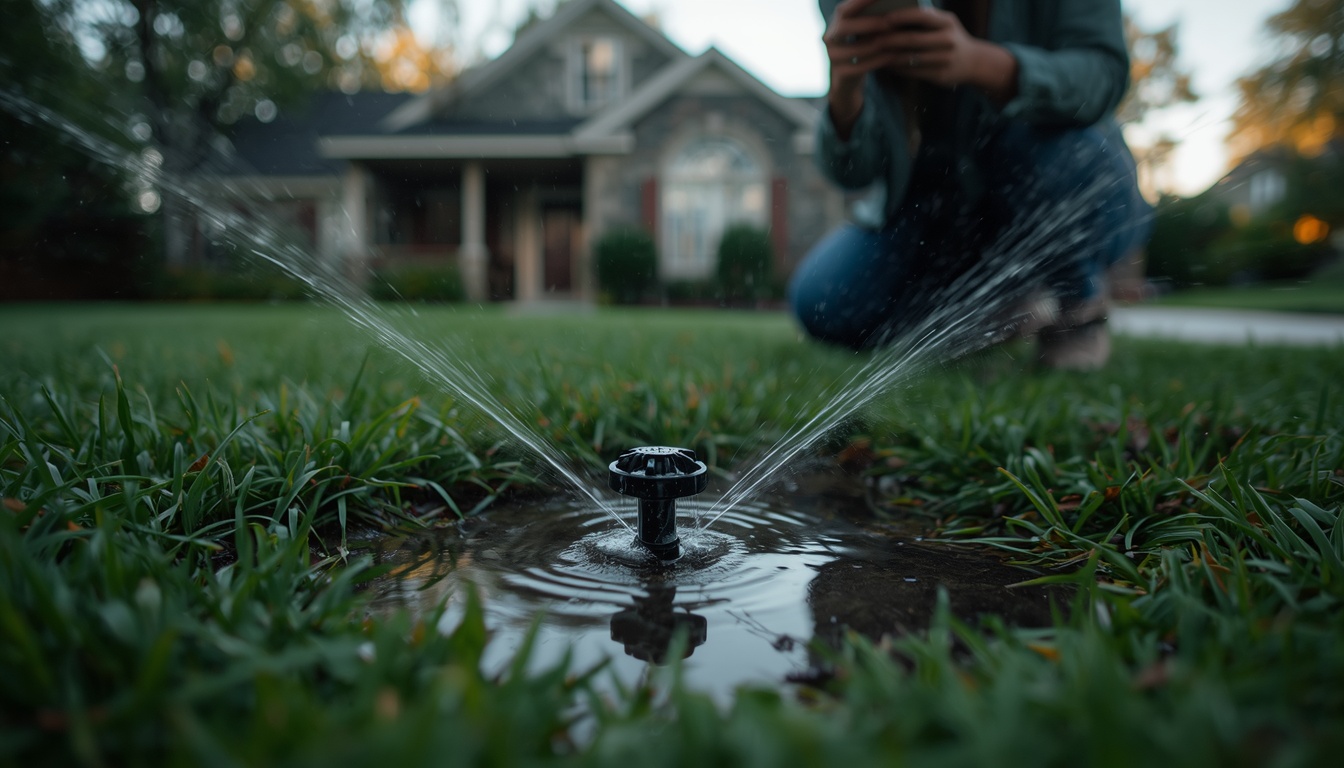
A photo often communicates an issue faster than a lengthy written description ever could. Owners who submit an HOA maintenance request can attach images directly to their submission. Similarly, a specific location and description strengthen a request considerably during review. Vague reports without any supporting detail take longer to properly assess and resolve. Furthermore, clear evidence helps staff prioritize genuinely urgent issues over minor cosmetic ones. Detail benefits everyone involved by speeding up an otherwise slower process. Strong documentation supports a faster, more accurate response from staff.
Tracking the Status of Your Request
Once submitted, a request does not simply disappear into an unknown queue somewhere unseen. Owners check their request’s current status directly within the same portal used originally. Similarly, updates appear automatically as staff move a case through each defined stage. No follow up phone call becomes necessary just to check on progress at all. Furthermore, notifications alert an owner the moment their request’s status actually changes. Transparency throughout the process builds confidence in how associations handle every concern. Owners stay informed without needing to chase down an answer themselves.
Realistic Response Times to Expect
Response times vary depending on the urgency and nature of a reported issue. Safety related concerns typically receive priority attention over purely cosmetic ones. Similarly, routine landscaping or minor repairs often follow a standard, published maintenance schedule. Owners should expect an initial acknowledgment even before a repair actually begins. Furthermore, complex issues sometimes require vendor scheduling that extends the overall timeline somewhat. Consequently, patience helps while staff work through a reasonable, structured process. Clear communication throughout the wait matters just as much as the eventual fix.
When to Escalate an Unresolved Issue
Most maintenance requests resolve within a reasonable timeframe without any additional effort. Occasionally, though, an issue lingers longer than an owner reasonably expects it to. Similarly, following up directly through the portal often restarts stalled progress quickly. Owners can request an update or ask about an unexpected delay respectfully. Furthermore, persistent safety concerns deserve prompt escalation to property management or the board. Consequently, respectful persistence usually moves a stalled request forward again. Communication remains the most effective tool available to any owner.
Steps for Submitting an HOA Maintenance Request
- Log into your owner portal and locate the maintenance request form.
- Describe the issue clearly, including its exact location.
- Attach a photo if the situation allows for it.
- Select the appropriate category for your specific issue.
- Submit the request and note your confirmation number.
- Check the portal periodically for status updates on your request.
- Follow up respectfully if the issue remains unresolved too long.
Key Takeaways
- Owners submit an HOA maintenance request directly through a dedicated portal form.
- Common area issues differ from repairs owners handle within their own units.
- Photos and specific details strengthen a request during staff review.
- Owners track a request’s status without needing a follow up call.
- Response times depend on urgency and the nature of the issue.
- Following up respectfully often restarts progress on a stalled request.
- Consequently, a clear process keeps communities well maintained over time.
Community associations across Florida rely on owners to help identify maintenance needs. Owners who submit an HOA maintenance request contribute directly to a well kept community. Consequently, everyone benefits when owners report issues clearly and staff address them promptly.
Moreover, a documented process protects both owners and the association from misunderstandings later. Boards manage resources more effectively when requests arrive organized and complete. Therefore, communities function more smoothly when everyone participates in this simple system.
Above all, a well maintained community depends on clear, easy ways to report concerns. Your association should make that process straightforward for every owner. This is where that upkeep begins.
The information provided on this website is NOT to be considered legal advice. Associations and unit owners should consult with legal counsel for the specific application of the Association’s governing documents and Florida Statutes.